Maintenance reports completely lose their perceived value the moment they start reading like automated machine output instead of evidence of human care and attention.
If you hand a business owner a PDF containing a wall of four hundred plugin update logs and technical jargon, they will immediately stop opening your emails. Clients do not need a list of task names; they need to understand what changed, what risk was actively avoided, and what needs their attention next.
Why Most Agency Maintenance Reports Fail
The vast majority of agencies rely on dashboard plugins to automatically generate a monthly PDF. While these are efficient for the agency, they provide zero context to the client. Seeing "Updated Yoast SEO from v20.1 to v20.2" means absolutely nothing to a CEO.
Agency support work gets expensive when clients fail to see the value in their retainer and start questioning the monthly invoice. A good reporting process should consistently remind the client that they are paying for peace of mind, not just a button click.
What Your Clients Actually Want to See
Good reports translate complex, technical maintenance work into clear, business-centric language that any stakeholder can understand at a glance.
- Notable Updates and Why They Mattered: Don't just list fifty plugins. Call out the crucial ones. "We deployed a critical security patch for your forms plugin, preventing a known vulnerability from affecting your lead generation."
- Incidents Prevented or Resolved: Highlight the invisible work. "Our uptime monitors caught a server timeout on Tuesday at 3 AM; we coordinated with your host to allocate more memory."
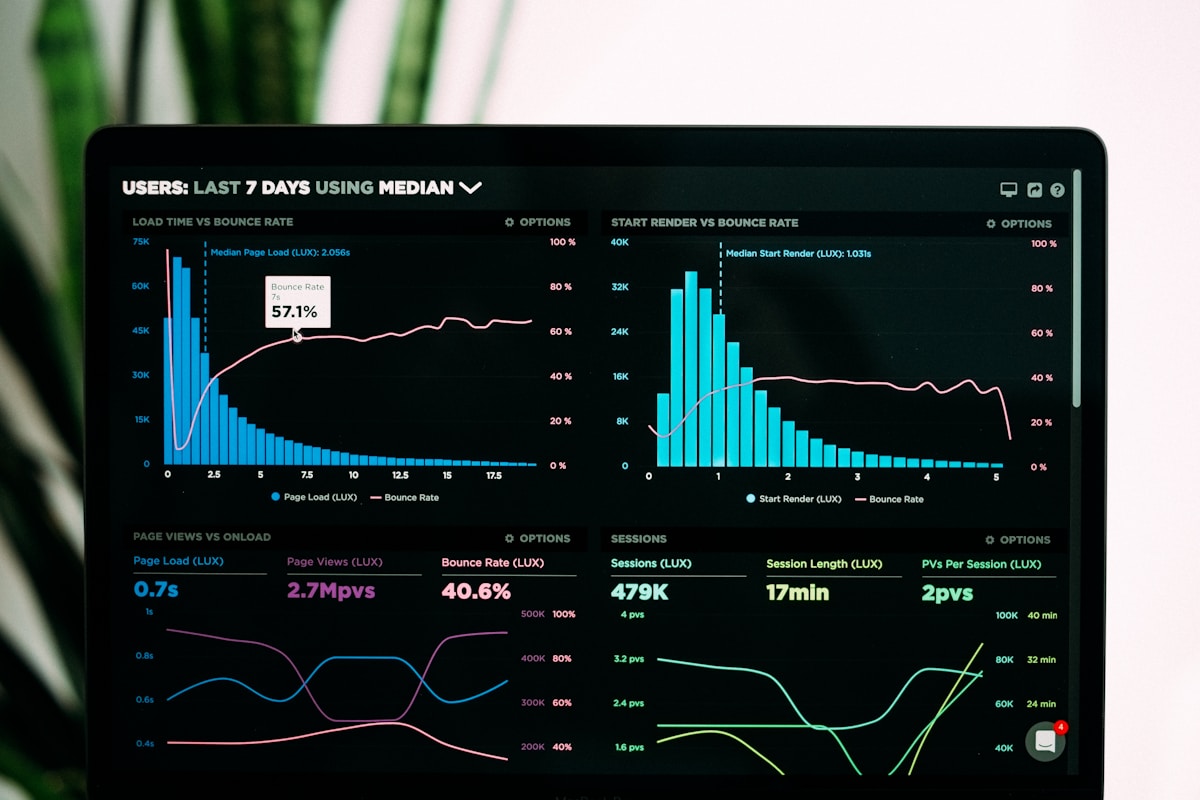
- Performance and Search Health: Share actionable data. Note any improvements in page speed, or highlight if a recent heavy image upload by their staff is dragging down their Core Web Vitals.
- Clear Next-Step Recommendations: Use the report to upsell legitimately needed work. "Your current theme is heavily outdated and no longer supported. We recommend scheduling a redevelopment discussion for Q3."
The Trap of the "Copied Forward" Report
Agencies rapidly lose client trust when reports are copied forward every single month with the exact same generic summary text. If the report never reflects the unique, actual state of the website, clients will eventually realize they are paying for an automated script.
When your reporting is operationally tidy but uniquely personalized, the account team spends far less time defending the retainer invoice during quarterly reviews, and far more time delivering visible value to the client.
How a Real Support Workflow Handles Reporting
Shorter, more specific reporting builds long-term confidence. You don't need a ten-page document. You need a one-page executive summary highlighting Health, Security, Performance, and Recommendations, bundled with the automated tech log as an appendix for the sake of transparency.
Final Take
A client should finish reading your monthly maintenance report feeling informed, secure, and confident in your partnership—not buried under technical noise they don't understand.